

What happened
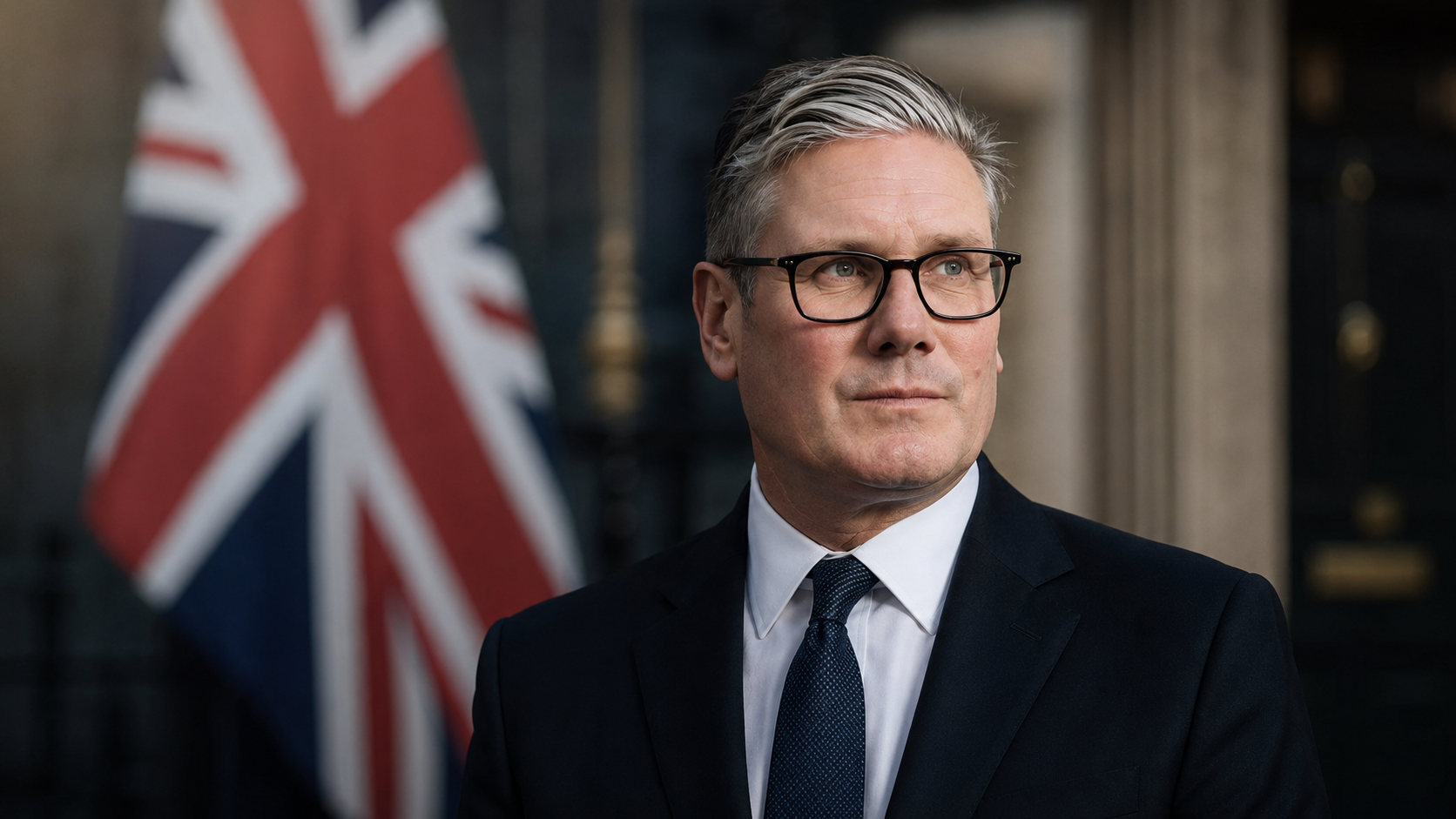
Keir Starmer has announced that he will resign as Prime Minister of the United Kingdom, setting up one of the biggest leadership changes in British politics since Labour returned to power.
Starmer is expected to stay in Downing Street during the transition while Labour chooses a new leader. That means there is not an instant handover overnight. Instead, the UK is moving into a caretaker period where the next phase of government is being decided.
The announcement comes less than two years after Labour’s landslide election victory. Starmer entered office promising stability, competence, and a break from years of political chaos. But his government struggled to build momentum, and pressure inside the party grew as public support weakened.
By the time the resignation announcement came, the issue was no longer only about policy. It had become a question of whether Labour believed Starmer was still the right person to lead the party into the next election.
Why it matters
This is a major moment because Starmer’s premiership was supposed to be the reset Britain had been waiting for.
After years of Conservative instability, Labour won power with a huge mandate and a promise to bring calm back to government. Starmer’s message was simple: less drama, more delivery.
But the political mood changed quickly.
Voters wanted visible improvement in everyday life, while Labour faced economic pressure, public service strain, immigration debate, and attacks from rival parties. At the same time, many inside Labour began to worry that the government lacked a clear story, a strong direction, and the energy needed to hold public trust.
That is what makes this resignation so serious. Starmer did not lose a general election. He lost the confidence battle around whether he could carry Labour forward.
The leadership race
Labour now has to move quickly.
Because the party still holds a parliamentary majority, the next Labour leader is expected to become the next prime minister. Once a successor is chosen, Starmer would formally leave office and the monarch would appoint the person who can command confidence in the House of Commons.
Andy Burnham is widely being discussed as the leading figure in the succession race. His political style is seen by supporters as more direct, emotional, and connected to voters than Starmer’s.
But whoever takes over will not get an easy reset.
The next prime minister will inherit the same problems that weakened Starmer’s government: economic frustration, pressure on public services, voter anger, immigration tensions, and a political landscape where traditional party loyalty is no longer guaranteed.
The bigger picture
Starmer’s resignation adds to a wider story about modern British politics.
The UK has gone through repeated leadership changes over the last decade, and this latest transition adds to the feeling that the country is still searching for long-term stability. Prime ministers now face intense pressure almost immediately, especially when voters do not feel quick results.
Starmer’s time in office will likely be remembered as a short premiership that began with a powerful mandate but struggled to turn that mandate into a confident governing identity.
He promised stability, but voters also wanted direction. He promised competence, but the public wanted proof that life was improving. In the end, Labour’s massive election win was not enough to protect him from growing pressure inside his own party.
What comes next
The next Labour leader will have to act fast.
They will need to show that this is not just a change of face, but a change in message, delivery, and political direction. Labour still has power, but the party now has to prove it can use that power with more confidence.
For Britain, this is another major political reset. For Labour, it is a warning. Winning an election is only the start. Keeping public trust is the harder part.
Starmer’s resignation begins a new chapter in UK politics — and the pressure on whoever comes next starts immediately.
Continue reading
Follow more updates on ForfeitMedia breaking news and the latest world politics stories.